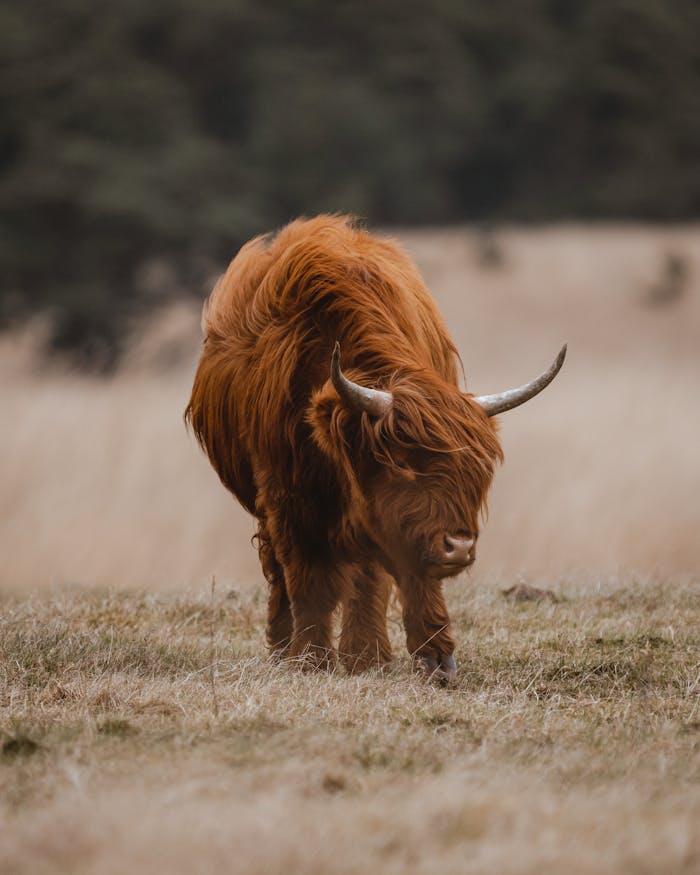

Bringing home your first Miniature Highland cow from Golden Mini Highland Ranch is an incredibly exciting milestone. However, the secret to a happy, healthy cow—and a stress-free owner—lies in the preparation. Unlike standard cattle, Mini Highlands have specific needs regarding their height, their iconic horns, and that famous thick coat.
To help you get your homestead ready, we’ve put together the essential “New Owner Checklist.” If you check these five boxes, you’ll be ready for “gotcha day” with total confidence.
1. Fencing: Secure, Visible, and Horn-Safe
Fencing is your most important investment. While Mini Highlands are docile, they are powerful animals that enjoy scratching their heads (and horns) on anything they can find.
- The Best Option: We recommend woven wire (no-climb) fencing or cattle panels. These are sturdy enough to withstand a cow leaning against them.
- The Horn Factor: Avoid large-gap fencing where a curious calf could get its head stuck. Once those horns start growing, they can slide in through a gap but are very difficult to pull back out!
- Electric Reinforcement: Adding a single strand of “hot wire” (electric) along the top or middle of your fence will prevent your Highlands from using the fence as a scratching post, which will save your fence from sagging over time.
2. Shelter: Protection from the Elements
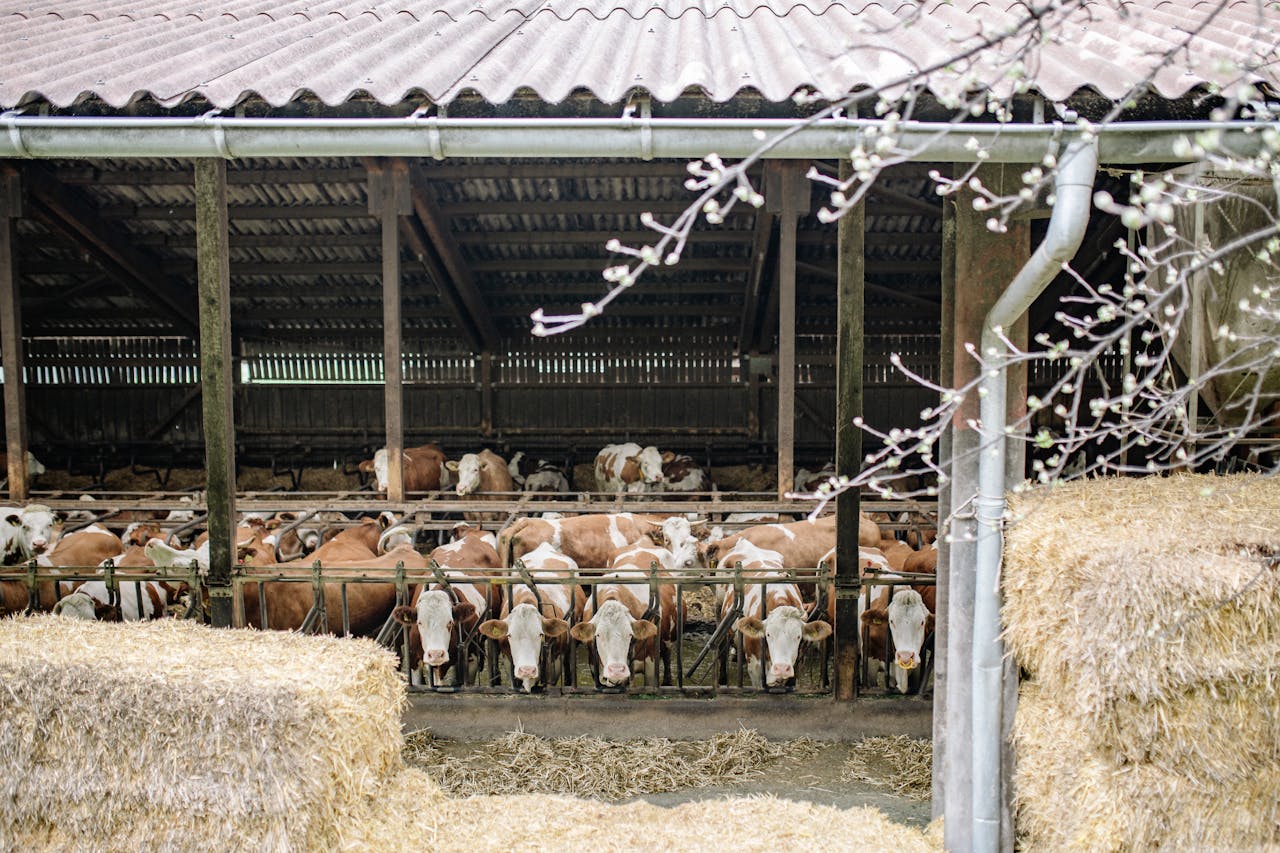
One of the best things about Highlands is their double-layered coat, which makes them incredibly cold-hardy. However, every animal needs a place to escape the “three W’s”: Wind, Wet, and Wicked Sun.
- Three-Sided Run-In: You don’t need an expensive, enclosed barn. A simple three-sided shed facing away from the prevailing wind is perfect.
- Ventilation: Ensure there is good airflow. Because of their thick hair, Highlands can overheat in the summer if they are trapped in a stagnant, humid barn.
- Dry Ground: Try to place your shelter on a high point of your pasture. Highlands hate standing in deep mud, which can lead to hoof issues. A layer of wood chips or gravel in the heavy-traffic area of the shed is a great idea.
3. Water and Feeding Stations
A Mini Highland’s diet is simple, but it must be consistent.
- Clean Water: An adult Mini Highland can drink 5–10 gallons of water a day (more in the summer). Use a heavy-duty trough that they can’t tip over. We suggest an automatic waterer or a large tank that is scrubbed weekly to prevent algae.
- Hay Feeders: To prevent waste, keep hay off the ground. Use a feeder designed for cattle, but ensure the “feed holes” are wide enough for their horns to move comfortably.
- Mineral Blocks: Cattle need specific minerals that they can’t always get from grass. Provide a “free-choice” mineral tub or a salt lick protected from the rain to keep their coats shiny and their immune systems strong.
4. The “Grooming Station”
Part of the joy of owning Mini Highlands is their fluff! Keeping them clean isn’t just about looks; it’s about bonding and health.
- The Scratching Post: If you don’t provide a designated scratching area, they will use your gate or your shed. You can buy commercial cattle brushes or simply bolt a few heavy-duty “street sweeper” brush heads to a sturdy 4×4 post.
- The Toolkit: Every new owner should have a Scotch comb (a special metal comb for Highlands), a stiff grooming brush, and a bottle of fly spray for the summer months.
5. Finding a “Cow-Savvy” Veterinarian
Before your cow arrives, find a local large-animal vet. Not all vets who treat horses or dogs are comfortable with cattle.
- The Pre-Arrival Call: Call them ahead of time to let them know you are starting a Mini Highland ranch. Ask about the required vaccinations for your specific area and what “de-worming” schedule they recommend.
- Handling Facilities: Think about how you will hold the cow if the vet needs to give an injection. A small “catch pen” or a simple head-gate is a lifesaver when medical care is needed.
Conclusion: Success Starts Before the Trailer Arrives
By taking the time to set up your fencing, shelter, and water correctly, you ensure that your new Mini Highland settles in quickly and safely. At Golden Mini Highland Ranch, we are always here to answer questions for our buyers. We want your ranching journey to be as “golden” as our cows!